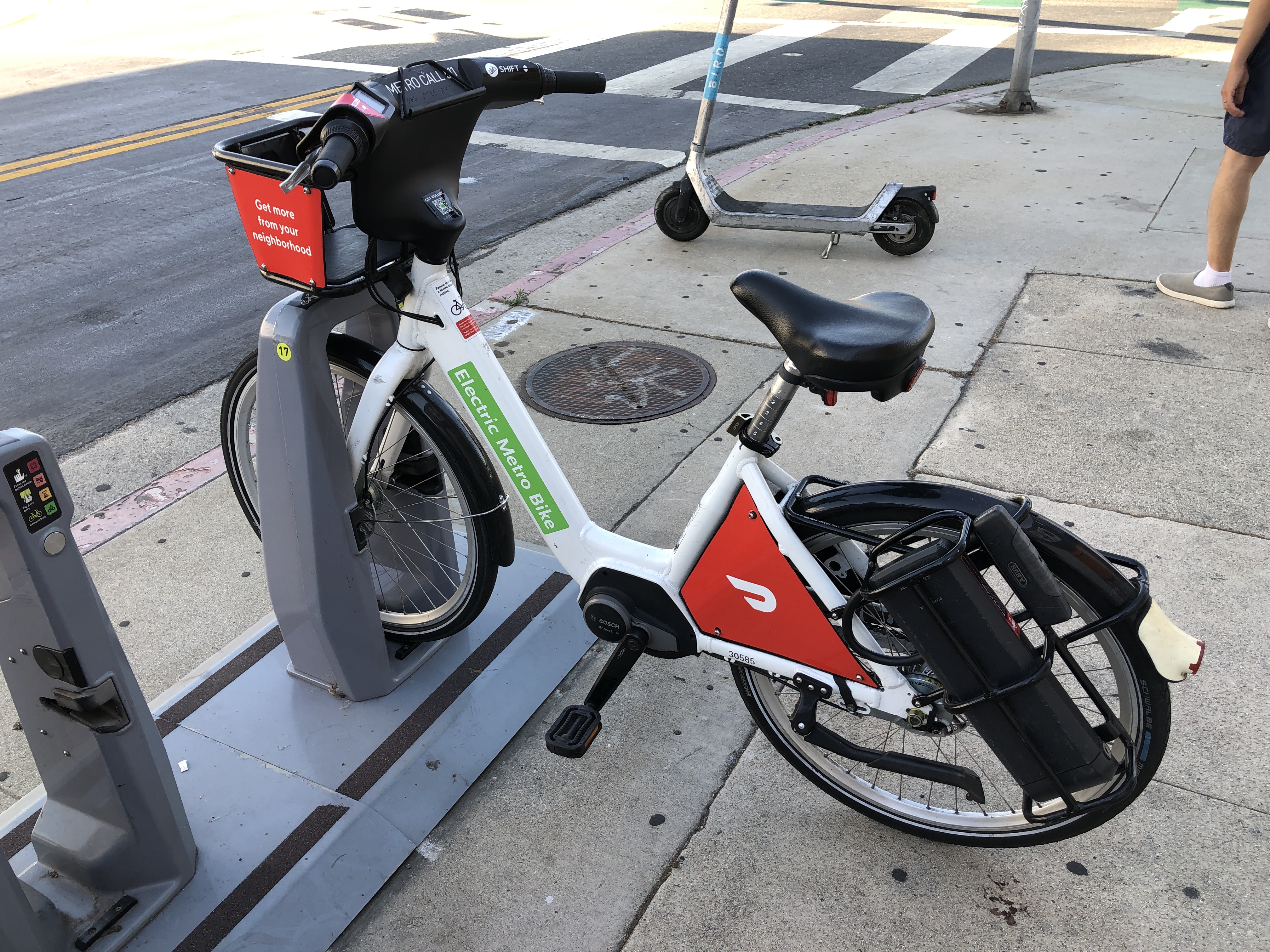
Trauma specialists at Intermountain Health Primary Children’s Hospital are urging parents to check a device’s speed, safety equipment and legal restrictions before buying children e-bikes or electric scooters this holiday season.
The hospital reported a sharp rise in serious e-bike injuries among Utah children and teens, including patients as young as 8. Head trauma is among the most serious injuries, according to its Nov. 24 announcement.
Trauma coordinator Katherine Stokes said some injuries resemble motorcycle crashes more than ordinary bicycle falls. Specialists recommend no higher than a Class 1 e-bike for most young riders, along with instruction in traffic rules, braking and hazard awareness.
Class 1 bikes provide pedal assistance up to 20 mph. Class 2 models can provide throttle assistance up to 20 mph, while Class 3 bikes provide pedal assistance up to 28 mph.
Utah’s Highway Safety Office says riders under 21 must wear helmets meeting the applicable safety standard on public roads. Its guidance also explains restrictions on young riders, device modifications and police impoundment. Beginning May 5, 2027, riders ages 8–15 will need direct adult supervision or a state-issued safety certificate to ride covered devices on public roads.
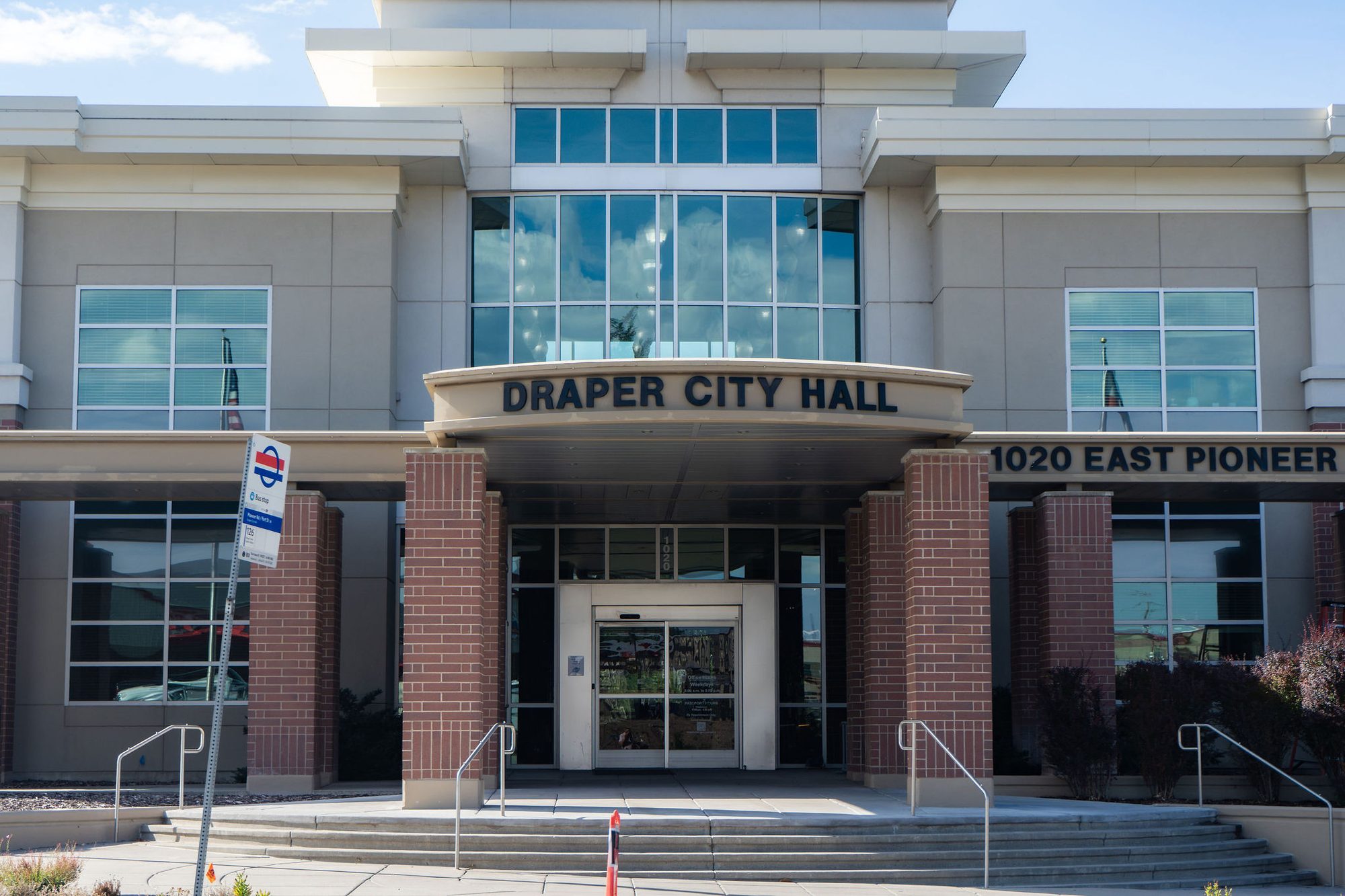
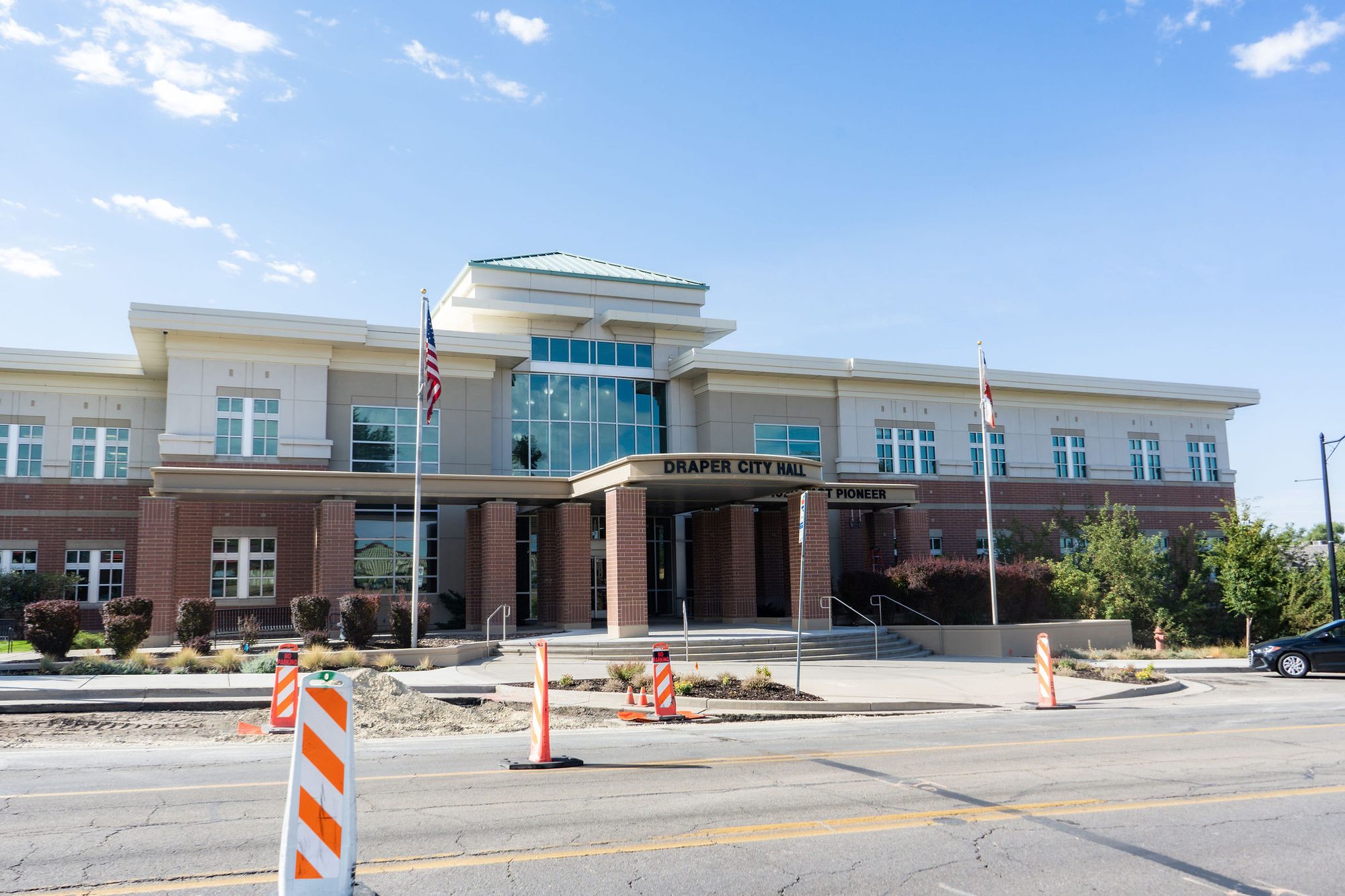
Local restrictions also matter. Draper’s guidance prohibits motor-assisted scooters, Class 2 and Class 3 e-bikes, and e-motorcycles on city trails, paths, parks and other public property.
Parents should confirm the rules for their child’s age and specific device before purchase. State and city summaries differ on the current e-bike supervision age boundary.
The hospital also warned about gifts containing small magnets and button batteries. Swallowed magnets can damage the intestines, while button batteries can cause life-threatening burns. Specialists advise researching toys carefully and considering alternatives without those components for children younger than 3.