Draper's foothills and Suncrest neighborhoods face elevated wildfire risk this summer as Utah records its driest conditions since the 1930s and fire activity statewide runs well above average.
The state recorded 353 wildfire incidents as of Monday, July 7, with 268 human-caused, according to Utah Fire Info data reported by the Daily Utah Chronicle. Record-low snowpack, measured in April 2026, has left sagebrush and other vegetation dangerously dry. The 106,000-acre Babylon Fire in southeastern Utah reached 50% containment on Tuesday, July 14, making it one of the largest wildfires in state history.
Fireworks banned citywide; Pioneer Day decision pending
Draper banned personal fireworks citywide from Thursday, July 2, through Saturday, July 5, after Gov. Spencer Cox declared a state of emergency on Wednesday, June 25, 2026. Cox said at the time that roughly 80% of Utah's fires were human-caused. The 268-of-353 breakdown reported July 7 puts the figure at 76%.
"When people who have dedicated their lives to protecting Utah tell us this year is different, we desperately need to listen," Cox said at a June 25 news conference.
Violations carry fines up to $1,000. Fires started by illegal fireworks may result in criminal charges and liability for firefighting costs. In 2020, fireworks in a restricted area sparked the Traverse Mountain Fire, forcing Draper evacuations before the blaze was contained without structural losses.
The city said it will coordinate with state and county officials on conditions ahead of the Pioneer Day fireworks window starting Tuesday, July 22.
Suncrest residents told to prepare for possible evacuation
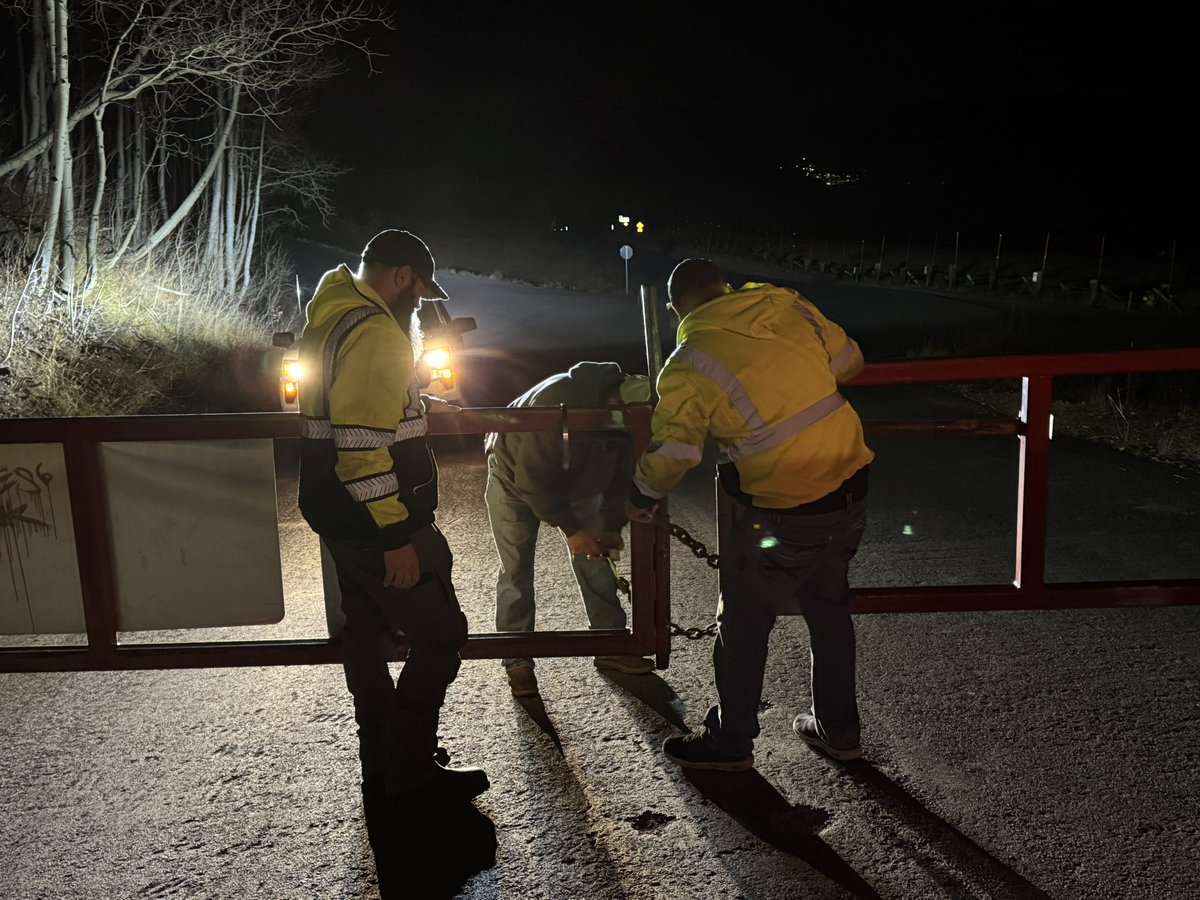
In late June, as fires burned across central Utah, Draper City announced that Suncrest residents should prepare to evacuate and would receive a reverse 911 call if an order was issued. By Friday, June 26, the city confirmed no fires were burning in Draper or adjacent cities, though heavy smoke from central Utah blanketed the valley under active red flag warnings.
The Draper City Fire Department has classified the city as a high-risk fire area because of the open space surrounding it.
New state map rates wildfire risk property by property
Utah House Bill 48, passed in the 2025 legislative session, required the state Division of Forestry, Fire, and State Lands to develop a High-Risk Wildland Urban Interface map. Approximately 60,000 structures statewide fall within the high-risk boundary, including properties in Draper.
Residents can check their property's risk rating at wildfirerisk.utah.gov. Structures are scored 1 through 8; those rated 7 or higher and within 820 feet of two or more other structures land in the high-risk zone.
Fire Chief Clint Smith told residents at an April 15 city briefing that under HB 48, only homes in the highest-risk category (8) face mandated assessments, and legislators have delayed that program through at least 2027. The Draper City Council adopted Ordinance #1695 in December 2025 to formally establish the city's Wildland Urban Interface Area.
Defensible space: what homeowners can do
Utah State University Extension research outlines three zones of defensible space:
- Zone 1 (0–5 feet from the home): Keep free of all combustibles, including mulch and dead plants.
- Zone 2 (5–30 feet): Prune flammable plants and maintain spacing between shrubs.
- Zone 3 (30–100 feet): Trim grass to no more than 4 inches and space trees and shrubs apart.
The Draper Fire Department has received federal Hazard Mitigation Grant Program funding for fuels reduction in Suncrest, including vegetation clearing and a community Chipping Day program. Updated program figures have not been published since 2023.
How to stay informed
Residents can sign up for Notify Draper alerts at draperutah.gov to receive evacuation notices and emergency updates by email or text. The Lights & Ladders Safety Fair is scheduled for Thursday, September 10, at Draper Park from 5:00 to 8:00 p.m., featuring fire prevention information and live demonstrations.