Utah's drought footprint shrank from over 90% of the state to roughly two-thirds in a single week, the U.S. Drought Monitor reported Nov. 5.
The rapid improvement follows an El Niño-fueled deluge that has dropped 7.4 trillion gallons of water on Utah since Sept. 1, according to Deseret News reporting. KSL meteorologist Matt Johnson tallied the figure. The severe or extreme drought category also fell, covering about 36% of the state compared to more than 50% the previous week.
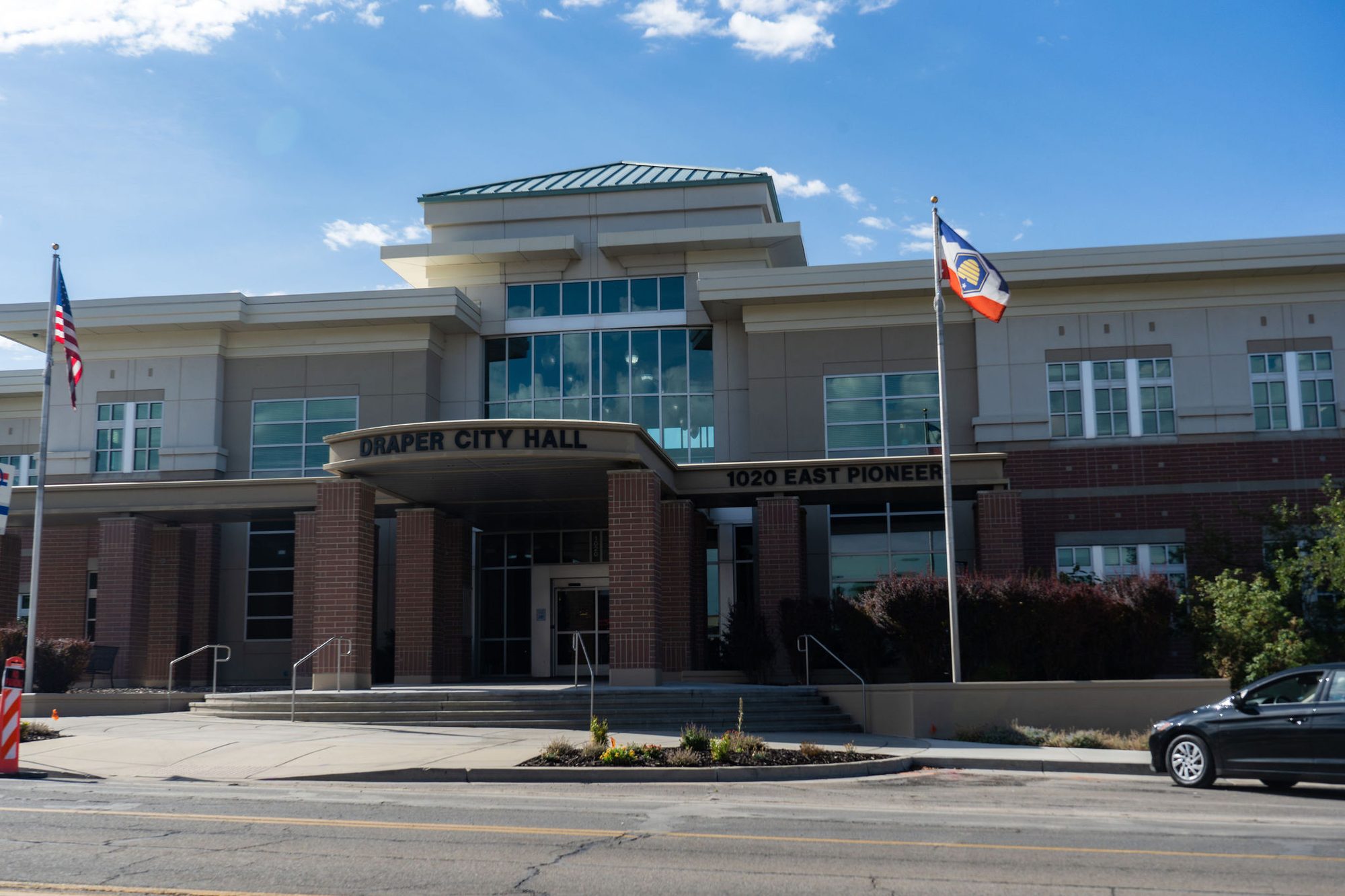
For Draper, the turnaround matters. At an Aug. 18 City Council meeting, Jacob Young, general manager of the Jordan Valley Water Conservancy District (JVWCD), told council members the district had declared a Level 2 drought and asked for a 10% reduction in water use. Draper was already at an 11% reduction compared to the prior year, according to city council minutes. Whether JVWCD has adjusted that mandate in light of the recent rainfall is not yet clear.
Soil moisture hits record levels
Mountain soil moisture jumped to nearly 78% saturation, surpassing the typical spring snowmelt peak, the Deseret News reported. Jordan Clayton, a hydrologist with the Natural Resources Conservation Service (NRCS) and director of the Utah Snow Survey, called the readings unprecedented.
"We're kind of in uncharted territory," Clayton said.
About 3.4 trillion gallons of rain fell across Utah in the two weeks before the Nov. 5 report, Johnson noted. Precipitation totals averaged between 200% and 400% of normal across most of the state, Brad Pugh, a drought meteorologist with the Climate Prediction Center, wrote in a report.
Reservoirs still lag
The rain has not erased the damage from Utah's worst snowpack year on record. Statewide reservoir storage sat at 50% of capacity as of the Nov. 5 report, 10 percentage points below the same time in 2025 and 6 points below the median average, according to state data cited by the Deseret News.
JVWCD delivered 4,806 acre-feet of water to Draper in fiscal year 2026, down from 4,903 acre-feet the year before, according to the district's annual operations summary. That decline tracks with the conservation push across the district's service area, which covers about 775,000 Salt Lake County residents.
Rainwater "falls faster than soils can absorb it" and moves downstream faster than Utah's water system can handle, Jon Meyer, assistant state climatologist at Utah State University, wrote earlier in 2026, as reported by the Deseret News. That explains why reservoirs barely refilled despite months of above-normal precipitation.
Flooding and what comes next
The same storms easing the drought have caused severe flooding in parts of southern Utah and landslides in several regions. Hurricane, in southwest Utah, declared a state of emergency over flash flooding on Oct. 22. Lt. Gov. Deidre Henderson toured flood-damaged communities in San Juan County on Oct. 29, where some families still could not return home, the Deseret News reported.
The National Weather Service Salt Lake City office said on X on Nov. 4 that moderate to severe drought conditions continue across much of Utah, though widespread one-category improvement occurred in the prior week.
Clayton said it is too early to know how the current soil moisture will affect conditions over the next several months. The readings are higher than anything documented in the fall since the NRCS soil moisture network launched 20 years ago. Long-range models suggest the active weather pattern may resume toward mid-November, Johnson said.