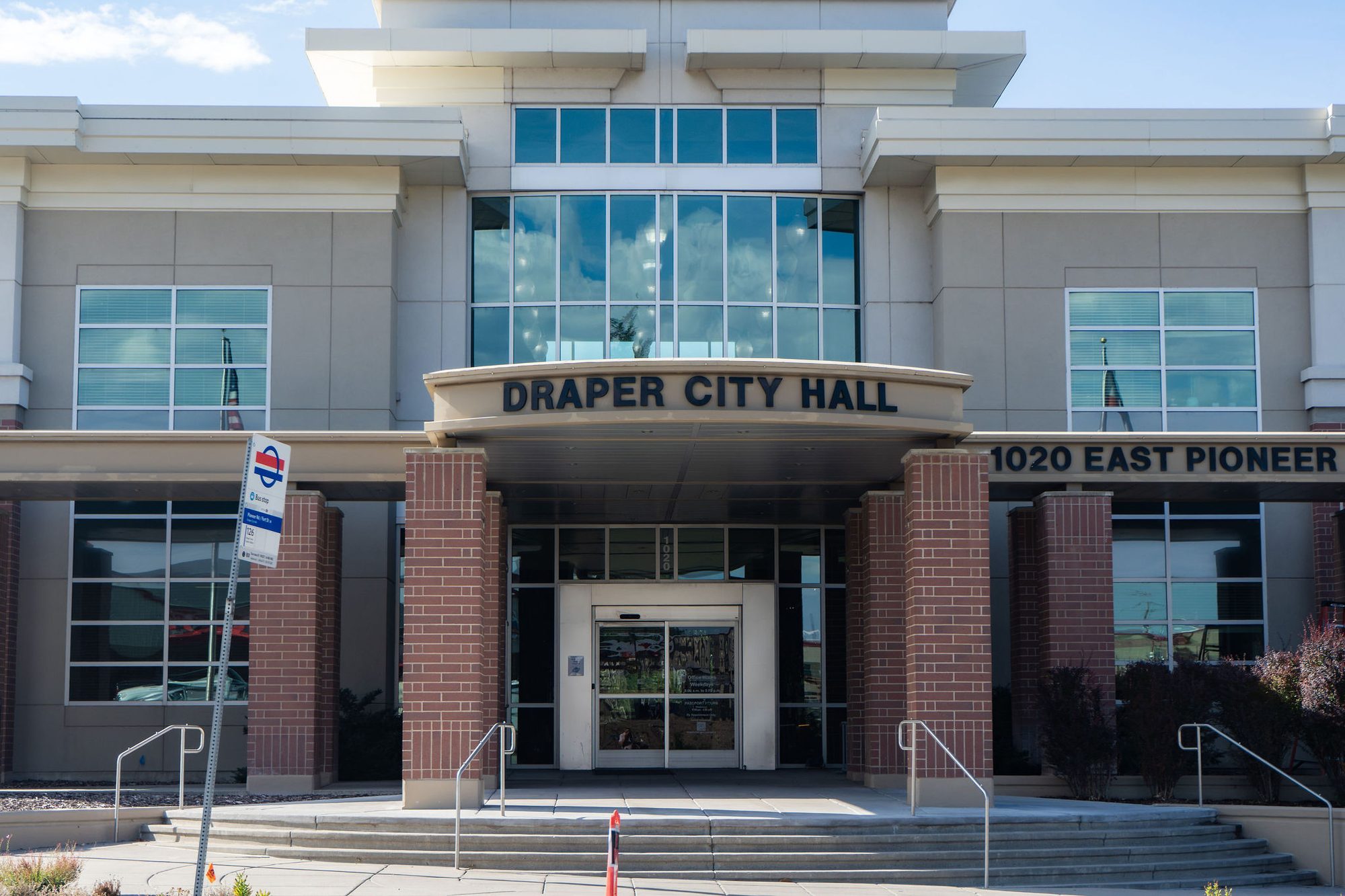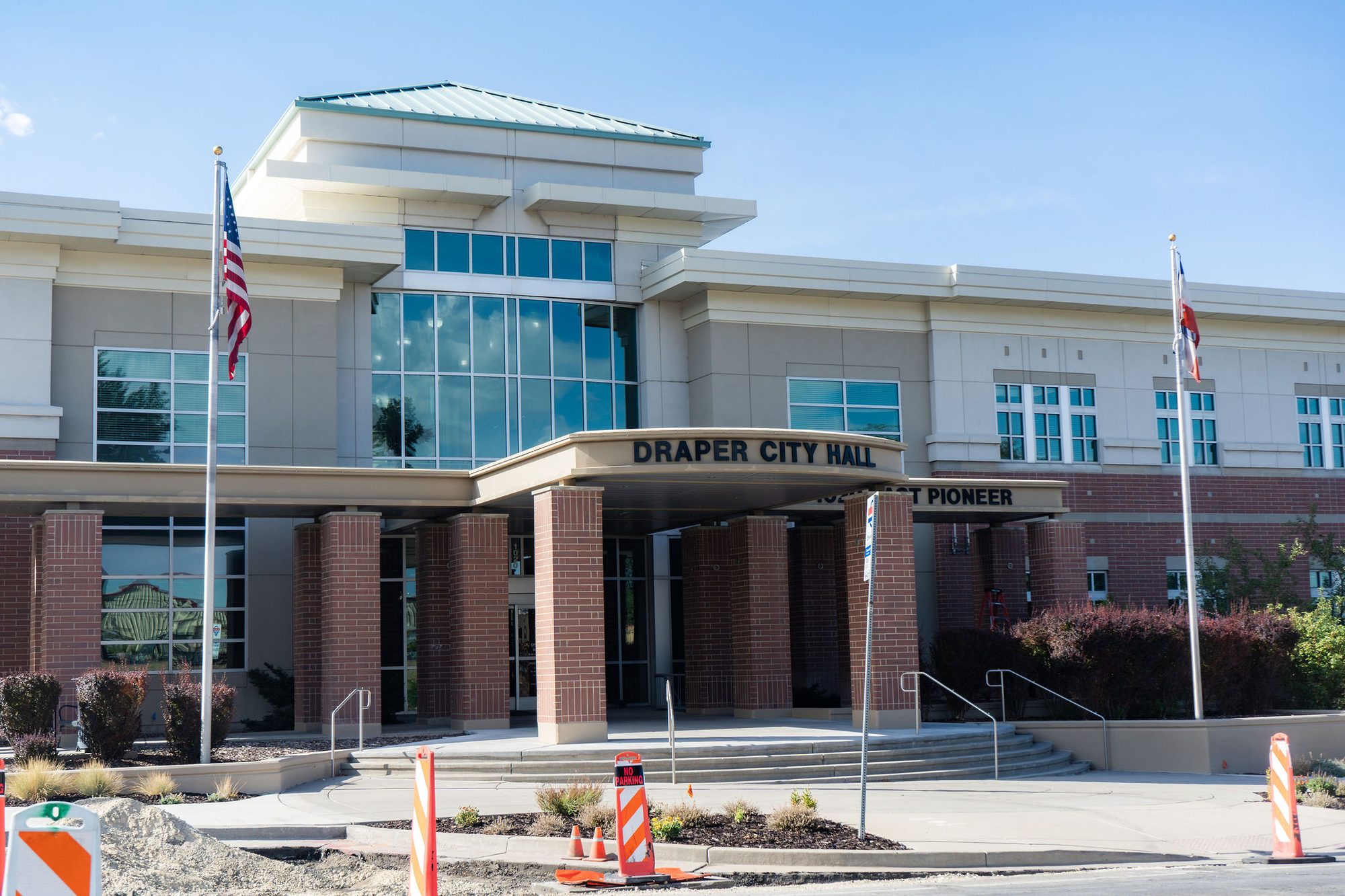
Draper and other Wasatch Front cities risk losing Colorado River water that supplies roughly a quarter of the region's taps, a joint investigation by The Salt Lake Tribune, KUER and KSL found.
The investigation, published Tuesday, Oct. 20, details how the Central Utah Project (CUP) diverts water from high in the Uinta Mountains and routes it through more than 100 miles of tunnels and pipelines to Wasatch Front cities. The project serves between 1.5 and 2 million people, according to Jared Hansen, manager of the Central Utah Project.
Just over a quarter of the water used in Salt Lake, Utah and Wasatch counties comes from the Colorado River Basin, according to Utah State University data cited in the investigation.
The threat: CUP holds a 1964 water right, making it a relatively junior user on the Colorado River system. If Upper Basin states face mandatory curtailment through litigation or a dispute over the Colorado River Compact, the Central Utah Water Conservancy District may have to stop diverting water and let it flow toward Lake Powell instead.
"If the Central Utah Project is curtailed, it would be hugely disruptive, if not catastrophic, to the Wasatch Front," Amy Haas, director of the Colorado River Authority of Utah, said at a 2025 Colorado River Water Users Association conference, the Tribune reported.
Troy Ovard, an area manager with the district, told the Tribune a curtailment would be "new territory." The district has always been able to deliver its full water right, Ovard said.
Drought squeezing the system
The Colorado River Basin has been in drought for more than two decades. In 2026, an abnormally warm winter produced historically low snowpack and poor runoff. In a typical year, about 100,000 acre-feet of water flows through CUP diversions into Strawberry Reservoir. This year, just over 37,000 acre-feet made it through, according to the district.
Strawberry Reservoir remains about three-quarters full because the district banked water in previous years. Hansen told the Tribune the reservoir was built to handle drought cycles, though he acknowledged a year this severe was never anticipated.
If sustained drought drains the reserves, Ovard said the district would reduce deliveries to the Wasatch Front rather than run the reservoir dry.
Draper residents already cutting water use
Draper, as a member of the Jordan Valley Water Conservancy District (JVWCD), would be among the cities affected by any curtailment. Residents are already feeling pressure from the drought.
JVWCD and its member agencies, including Draper, adopted a Level 2 water availability designation due to severe drought, according to a city notice. That designation calls for a 10% reduction in water use across all JVWCD-supplied cities.
As of an Aug. 7 city update, Draper had cut water use by 9% in May and 12% in June.
Infrastructure expanding
All transbasin diversions combined moved about 165,000 acre-feet of water to the Great Basin in 2024, making up roughly 15% of Utah's total Colorado River consumption that year, according to the Upper Colorado River Commission. The district expects diversions to increase over the next decade after completing a new four-mile pipeline in southern Utah County this summer, now delivering Colorado River water to Santaquin and Salem for the first time.
Plans also call for enclosing the historic High Line Canal in Utah County, which has carried Colorado River water since 1917. The canal loses more than a sixth of its water to evaporation and seepage, according to Brad Perkins, an engineer with the district. Enclosing it would save enough water to supply 12,000 to 15,000 single-family homes.