Smoke drifting over Parleys Canyon and the Salt Lake Valley is not a wildfire. It's planned.
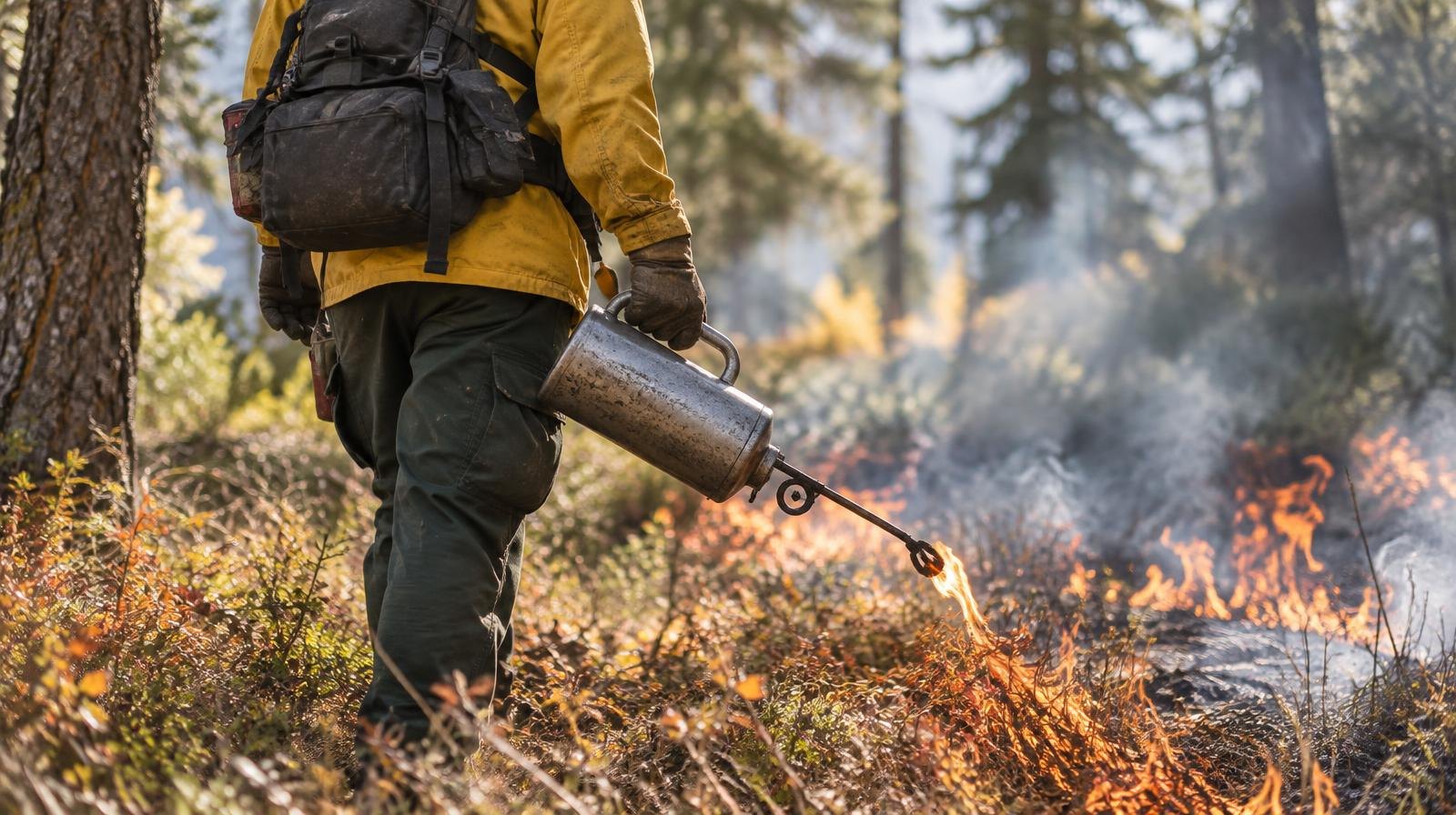
The U.S. Forest Service began prescribed burns Sunday, Oct. 18, across roughly 114 acres in Parleys, Lambs and Millcreek canyons in the Uinta-Wasatch-Cache National Forest. The burns are expected to continue through Tuesday, Oct. 20, and possibly longer if weather allows, the agency announced in a statement, first reported by The Salt Lake Tribune.
Residents who see or smell smoke do not need to report it. Firefighters remain on scene whenever flames are burning and patrol the areas after burning is complete, according to the Forest Service.
The three burn sites break down as follows:
- Lambs Canyon: About 64 acres along the south side of Lambs Canyon Road.
- Millcreek Canyon: About 25 acres along Millcreek Canyon Road from the winter gate to Big Water Trailhead.
- Parleys Canyon: About 25 acres south of Interstate 80 near Parleys Summit and Summit Park.
The burns clear overgrown vegetation and reduce wildfire risk to nearby communities and infrastructure, the Forest Service said in a news release before operations began.
Some roads and trails near the burn sites may close for several days. Warning signs will be posted in affected areas, according to the release. The Utah Division of Forestry, Fire and State Lands is assisting with some of the operations, KSL reported.
The work comes during what University of Utah researchers have called the worst year on record for forest and woodland acres lost to fire in Utah. Phil Dennison, a University of Utah professor who studies wildfire impacts, warned in August that fire risk could shift to higher elevations. "My biggest concern is that … we may be headed toward more fires at higher elevations, even in the Wasatch," Dennison said at the time, as reported by KSL.
Stuart Bedke, a zone fuels specialist for the Salt Lake Ranger District, explained in a Forest Service video about two years ago that Millcreek Canyon has a "150-year fire return interval." The last major fire there burned nearly 150 years ago. Dead trees from drought, beetles and natural aging have increased fuel loads in the canyon, making prescribed burns a key tool for slowing the spread of future wildfires, Bedke said at the time.
Drivers who encounter smoke on roadways should slow down and turn on headlights, the Forest Service advised. Updates on the burns will be posted to the Uinta-Wasatch-Cache National Forest's Facebook page.