More than half the Utah jurisdictions examined in a state legislative audit either spent impact fees incorrectly or otherwise broke state law governing the charges, The Salt Lake Tribune reported Oct. 27.
The same audit produced a second, counterintuitive finding: impact fees show no statistically significant relationship to a home's final sale price.
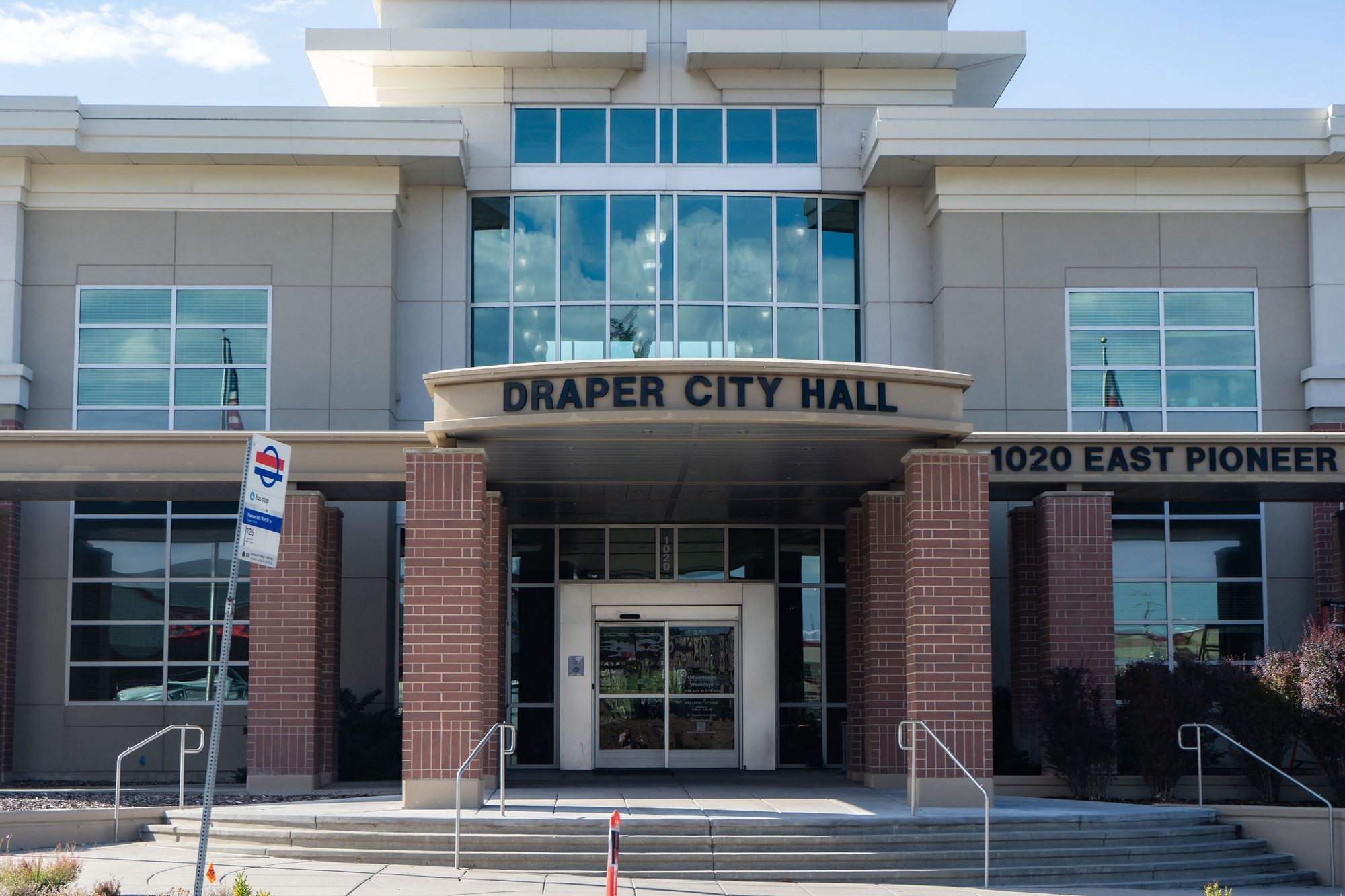
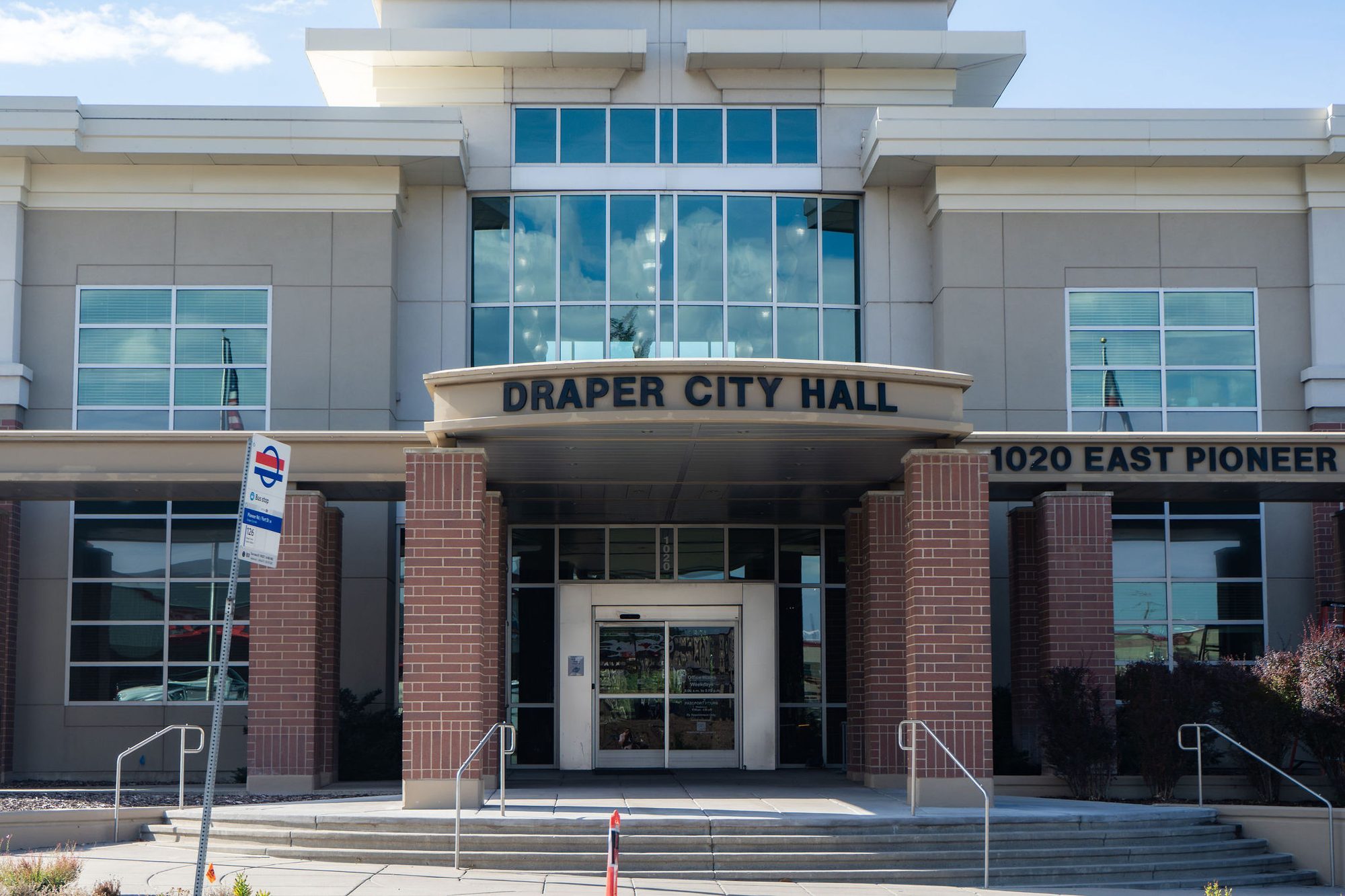
The results matter in Draper, where nearly 7,900 residential units are planned at The Point, according to the city's 2025 water conservation plan. That development alone could add 16,000 to 23,000 people to the city's water system. Draper's current population is about 51,560.
Impact fees are one-time charges that cities and counties levy on developers to ensure new growth pays for its strain on roads, water systems and other infrastructure. The fees vary widely. The Tribune reported that a 2,000-square-foot home carries about $11,000 in impact fees in Kaysville but $35,000 in Grantsville.
Auditors from the Office of the Legislative Auditor General conducted a deep review of nine jurisdictions. More than half had compliance problems, the Tribune reported. The audit did not name which jurisdictions fell short.
The noncompliance could mean "costly litigation" for local governments, auditors wrote, according to the Tribune. They also examined 41 impact fee studies statewide and found more than half had not been updated within five years. Auditors said the studies should be refreshed about every three years.
No link to home prices
Auditors partnered with the Kem C. Gardner Policy Institute to analyze 10,000 home sales across 16 cities over three years. They found no statistically significant connection between impact fees and a home's final price tag.
"There's no statistical relationship between the impact fees and the final sales price of the home," Leah Blevins, an audit manager with the Office of the Legislative Auditor General, told the Tribune.
Blevins said the fees affect the cost of building but that other factors have a bigger influence on the final home price, the Tribune reported. She added that fee differences between cities don't necessarily mean one community is overcharging, because fees depend on local infrastructure needs.
Chris Gamvroulas, whom the Tribune identified as president of Ivory Development, said the variation helps explain why there isn't a direct tie to final sale prices. He cautioned that the fees may still affect prices over time and influence whether builders pursue a project at all.
Draper's fee fund in play
Draper is already spending impact fee revenue. At the City Council's July 21 meeting, Parks and Recreation Director Rhett Ogden told council members the Park Impact Fee Fund held $2.7 million at the end of May, according to meeting minutes. The council was discussing a proposed Hidden Canyon Park.
Councilmember T. Lowery asked whether the fund could cover the expanded park concept and raised concerns about ongoing maintenance costs.
What comes next
Auditors recommended five changes, including a regular update cycle for impact fee plans, better state oversight of annual reports and a requirement that local governments post fee analyses on their websites.
House Speaker Mike Schultz, R-Hooper, said the current enforcement approach, which relies largely on civil lawsuits, deserves a closer look, the Tribune reported. Lawmakers could take up the recommendations during interim meetings and the upcoming legislative session.