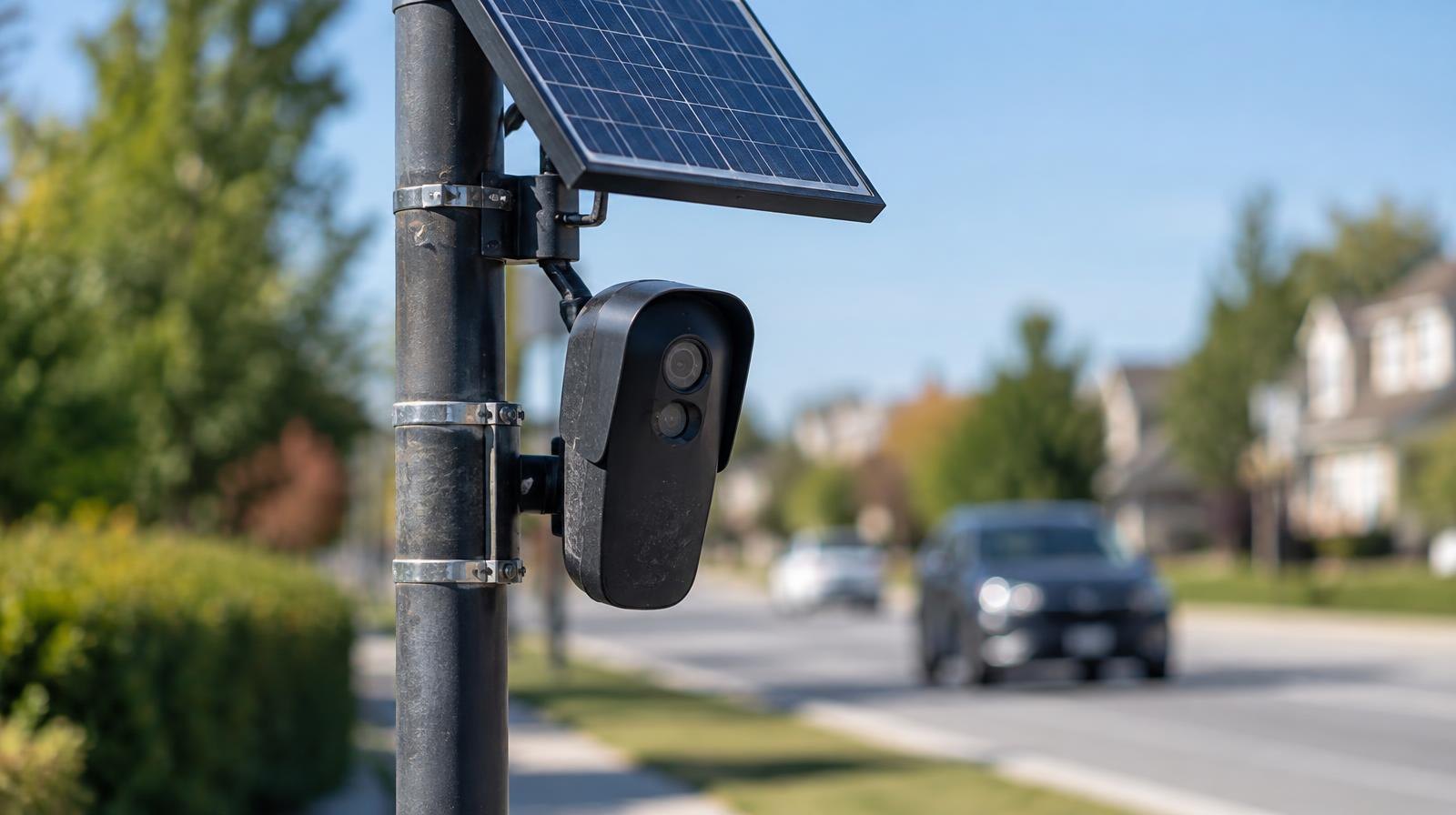
Draper residents pushing to cancel the city's Flock camera contract could get backup from the state Capitol. A Utah lawmaker is drafting a new bill to tighten oversight of automated license plate readers (ALPRs), expanding the scope to cover bullet detection sensors and potential Bluetooth tracking.
The Draper Police Department began using a Flock Safety camera system in November 2025, funded through the police budget. Residents at two August city council meetings called for cancelling the contract, citing Fourth Amendment concerns.
At an Aug. 12 public hearing, resident Christian Shank urged the council to drop what he described as a $39,000 annual renewal fee for the Flock system. At the Aug. 18 meeting, residents Chase Kimball and Alberto de la Torre asked the council to put Flock cameras on a future agenda to consider ending the deal, according to council minutes.
Draper City said in a July 23 post on X that the city council approved the system at a public meeting and that access is limited to authorized law enforcement personnel. Every search is logged and subject to audit. The department said no facial recognition is used.
Now a state-level push could impose new rules on systems like Draper's. Rep. Kristen Chevrier, R-Utah County, announced the legislation after the Utah Privacy Governing Board held a three-hour review of ALPR technology on Wednesday, Sept. 23, as first reported by KUTV. Chevrier's previous ALPR bills failed in the 2025 and 2026 legislative sessions.
The new bill would require ALPR data to stay in Utah and establish accountability rules for police and others who hold collected information, according to KUTV's reporting. Chevrier told the outlet the bill's scope goes beyond license plates. She cited a case outside Utah in which a motorcycle backfire triggered a large police response through a bullet detection feature attached to an ALPR system.
"The other question is, are they picking up Bluetooth as you drive past them from your phone," Chevrier said. "The cameras may actually pick up individuals who are walking past them and … they may pick up conversations."
Security risks also surfaced at the Sept. 23 board meeting. Steve McCown, a board member and former "white hat" hacker for the Idaho National Laboratory, said hackers have already disassembled license plate reader cameras to study how they work. He called that often the first step in finding a vulnerability.
Conner Radcliff, president of the government accountability group Utah Civic Compact, told the board there is no easy way to determine how many ALPRs operate in Utah because each agency manages its own system. Utah Civic Compact reported through an open records request that ALPRs in Weber County were searched millions of times, mostly by out-of-state police departments.
The legislative push extends beyond Chevrier. State Sen. Calvin Musselman, R-West Haven, who chairs the Legislature's Law Enforcement and Criminal Justice Interim Committee, said at a Sept. 16 committee hearing that lawmakers are examining what information can be shared between vendors and law enforcement and how rules can apply consistently across jurisdictions.
Nationally, a U.S. Senate Judiciary Committee subcommittee held a hearing on Flock cameras on Sept. 24, with senators raising Fourth Amendment concerns, Utah News Dispatch reported. More than 120,000 Flock cameras are installed across the country, according to the American Civil Liberties Union.
The Utah Privacy Governing Board was expected to issue ALPR recommendations by early October. No bill number has been assigned to Chevrier's planned legislation.