Draper cut water use by 11% this summer after the Jordan Valley Water Conservancy District (JVWCD) declared a Level 2 drought across its service area. The reason: Utah just finished its warmest water year in 131 years of record-keeping.
The 2026 water year, which ran from Oct. 1, 2025, through Sept. 30, averaged 53.8 degrees statewide. That was 2.1 degrees above the previous record set in 1934, according to federal climate data first reported by the Deseret News. All 29 Utah counties broke their own temperature records.
The heat mattered more than the rain totals. Utah collected 12.47 inches of precipitation, ranking 49th-driest out of 131 tracked water years. But snowpack, which supplies roughly 95% of the state's water, barely topped 50% of normal, according to Jordan Clayton, a hydrologist for the Natural Resources Conservation Service and director of the Utah Snow Survey.
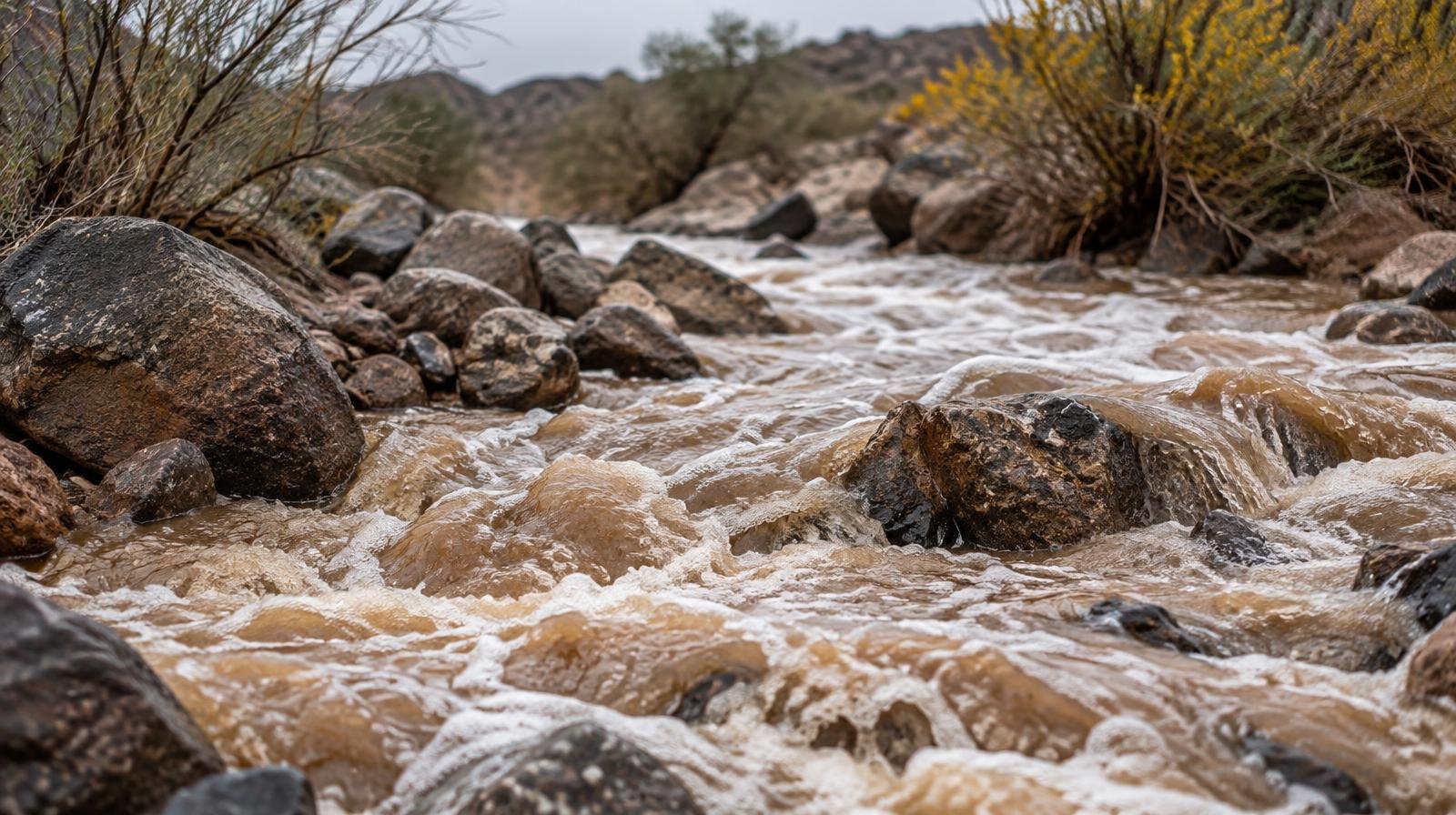
Rain cannot replace snow in Utah's system. Jonathan Meyer, assistant state climatologist at the Utah Climate Center at Utah State University, said earlier this year that the state's water infrastructure is "built for delayed release" from snowpack. Rain runs off faster than soil can absorb it, while snowpack is released at the end of the snow season over a longer period.
The result: reservoirs peaked at 71% of capacity in May, four percentage points lower and a full month earlier than normal, according to state water data. Over 70% of Utah remains in severe or extreme drought, with the entire state in at least moderate drought, Lindsay Johnson, a climatologist for the National Drought Mitigation Center, noted in a U.S. Drought Monitor report.
What it means for Draper
Salt Lake County recorded 22.11 inches of precipitation during the water year, just 86% of normal and its 34th-driest year since 1895.
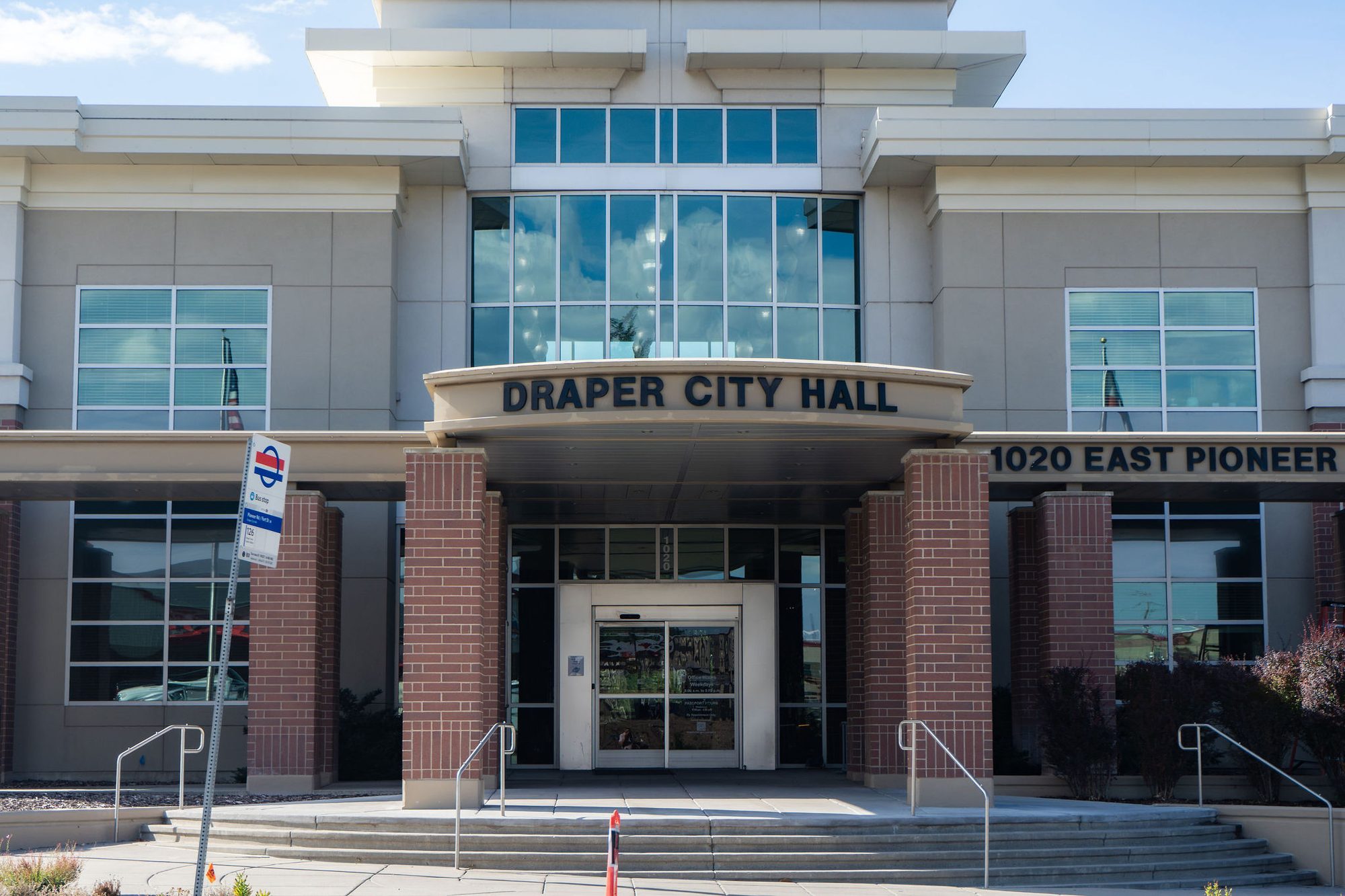
JVWCD asked member cities to cut water use by 10%. Draper has exceeded that target. Jacob Young, JVWCD's general manager, told the Draper City Council at its Aug. 18 meeting that Draper had achieved an 11% reduction in water consumption compared to the previous year.
Young also noted that JVWCD's conservation efforts had freed up 21,000 acre-feet of water per year for the Great Salt Lake. He thanked Draper for its role in that effort.
The city's conservation page reported a 9% reduction in water use in May and 12% in June. Draper's 2024 usage stood at 165 gallons per capita per day, already below its conservation target of 183 gallons per capita per day, according to the city's water conservation plan.
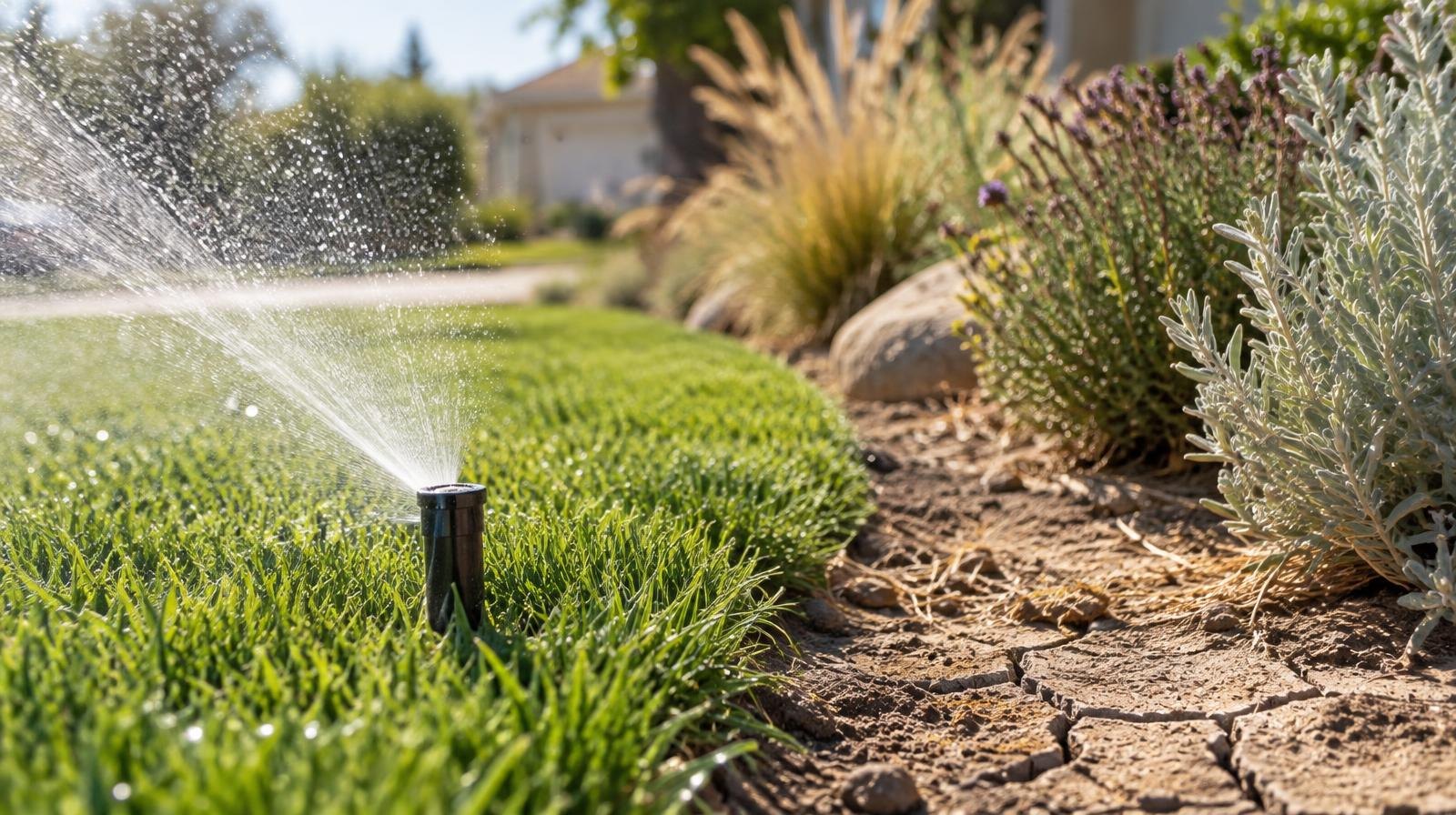
Councilmember Johnson asked at the Aug. 18 meeting what residents could do to help. Young encouraged shifting landscapes from lawn-dominant yards to water-efficient plantings, saying increased conservation had delayed costly supply improvement projects.
What comes next
The 2027 water year started Oct. 1 with a boost from the remnants of Tropical Storm Rachel. But Clayton cautioned that the coming winter's snowpack will determine whether drought conditions improve.
"We don't want to hang our hat on having an above-normal winter just yet, but we're certainly hoping for that," Clayton told the Deseret News.