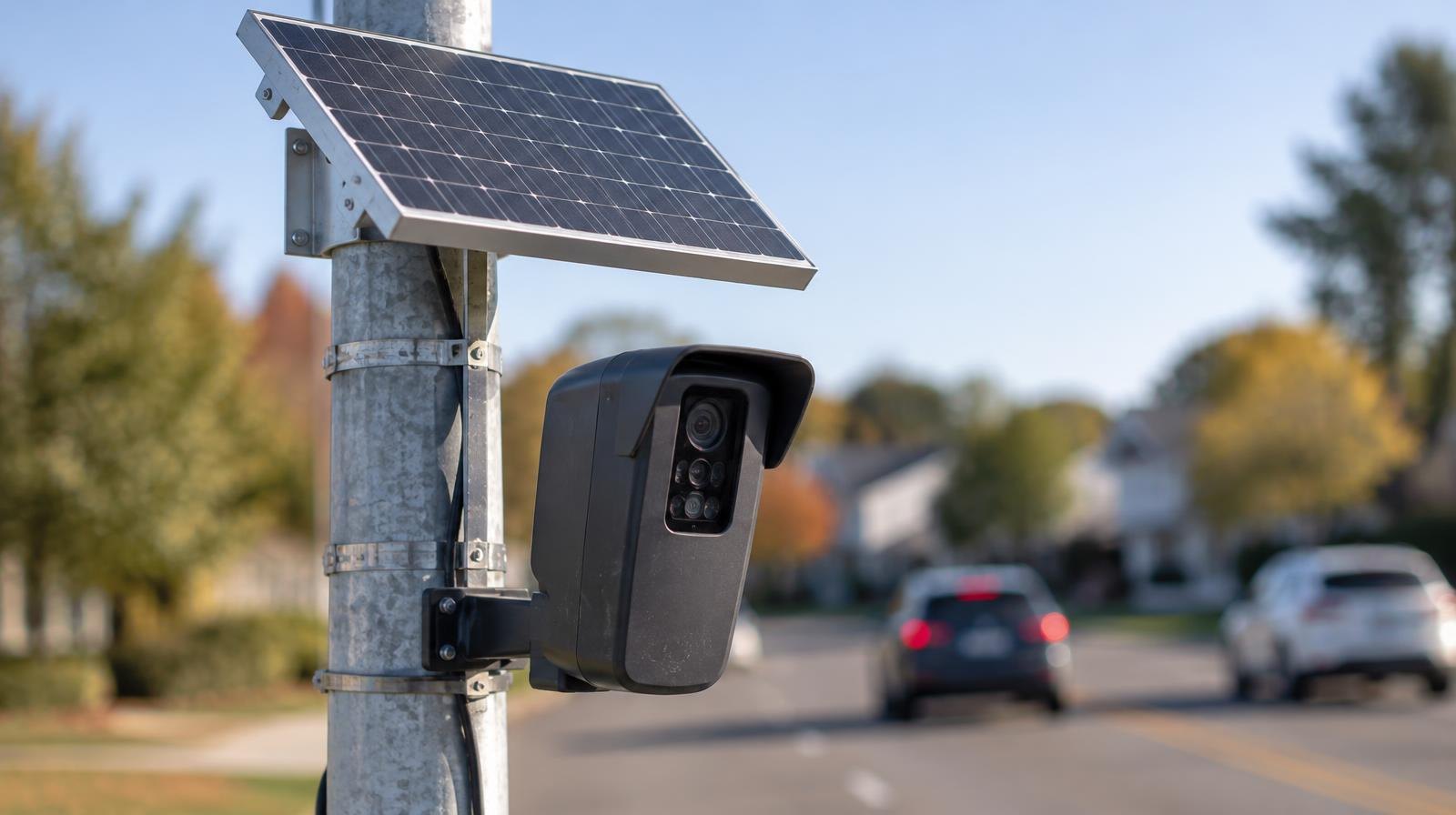
A Utah nonprofit wants the state transportation department to terminate its contract with Flock Safety. The move could strip surveillance cameras from state roads faster than any bill working through the Legislature.
Utah Civic Compact held a news conference at the Capitol on Friday, Oct. 9, to announce the push. The group said it found a termination clause by reading UDOT's contract with Flock Group Inc. line by line. That clause allows the Utah Department of Transportation (UDOT) to end the agreement if it "determines that the public does not support the Company's activities," Utah News Dispatch reported.
The strategy matters in Draper, where residents have spent months pressing City Council to reconsider the city's own Flock contract.
Clark Dice, a Utah Civic Compact spokesperson, told reporters that public opposition already meets that threshold. "They do not trust this new technology, and they do not feel safe when they are being surveilled, cataloged … and watched," Dice said at the Oct. 9 news conference.
The group also pointed to cases across the state where cameras have been vandalized or cut down as evidence of widespread disapproval.
UDOT says it's reviewing
UDOT spokesperson John Gleason said Oct. 9 that department attorneys were reviewing the contract that day. He said UDOT's role is limited: the agency grants permits for Flock cameras along state highways at the request of law enforcement but cannot access the data the devices collect.
Gleason said UDOT does not determine camera locations, the number of cameras, or how they operate. The department is still working to count all the cameras on state roads, he said.
Gleason said the department would not weigh in on "the big-picture questions of whether these cameras should be out there …" and that those questions would go to the law enforcement agencies that deployed them. He added that UDOT is required by law to permit cameras designated for official police use and that he did not know whether the department could pull a particular permit.
Draper's local fight
Draper police began using Flock cameras in November 2025 after the City Council approved the purchase at a public meeting. Chief Richard Ferguson said in a July 2026 statement on the city's X account that the system helps locate stolen vehicles, generate investigative leads and find missing persons. No facial recognition is involved, Ferguson said.
Residents have pushed back. At the council's Aug. 12 Truth in Taxation hearing, resident Christian Shank urged the council to cancel what he called a $39,000 annual renewal fee for the system. Resident Ashley Collier said the cameras were funded "without public consent," according to meeting minutes.
Six days later, resident Chase Kimball asked the council to put Flock cameras on the next meeting agenda and consider canceling the contract, arguing the cameras violated Fourth Amendment rights, according to Aug. 18 council minutes.
Broader state action
Gov. Spencer Cox said in August 2026 that Americans "should be deeply concerned" about police combing through Flock data for personal reasons. He directed the Utah Privacy Governing Board and the Utah Privacy Commission to review the state's camera rules.
Existing state law restricts Flock data to active criminal investigations, outstanding warrants, missing-person cases and stolen-vehicle searches. Misusing or sharing the data is a misdemeanor. Utah Civic Compact says a gap remains because no mechanism ensures out-of-state agencies follow Utah's rules.
The group is also lobbying lawmakers for tighter restrictions. In a Sept. 23 KUTV report on the legislative effort, Utah Civic Compact's Conner Radcliff asked, "At what point do we say, 'This is where our line in the sand is, and we don't want to be surveilled past that point?'"
No deadline has been set for UDOT's contract review, and the department has not said when it will respond to the group's request.