Draper's first comprehensive survey of historic homes in 25 years is headed to the Planning Commission for review.
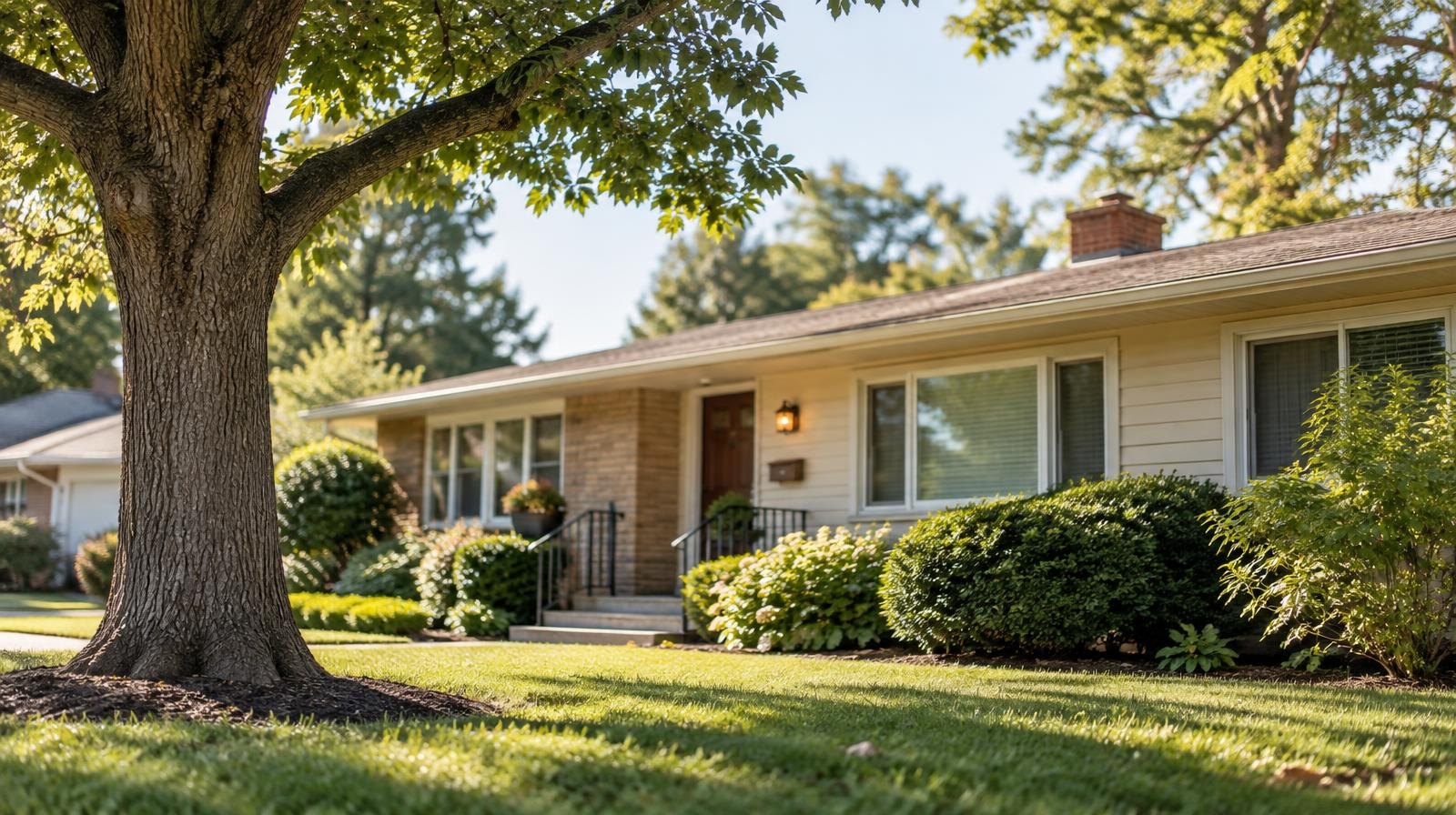
The commission's Thursday, Oct. 8 meeting is expected to include a first look at findings from a recently completed architectural survey that examined 423 older homes across the city, according to a meeting preview on OpenUtah, a government-transparency site. The survey aimed to identify properties and districts that could qualify for the National Register of Historic Places.
The official agenda had not been posted as of Sept. 26.
Draper's previous full Reconnaissance Level Survey was conducted in 2001. Community Development Director Jennifer Jastremsky told the Draper Journal in January that the city was actively evaluating historic properties for possible National Register listing.
Kirk Huffaker of Kirk Huffaker Preservation Strategies presented the survey's initial results to the Historic Preservation Commission at its Aug. 19 meeting, according to that body's agenda. The same agenda listed National Register nomination reviews for two specific properties: the Isaac Stewart House on Pioneer Road and the Smith-Steadman House.
The commission is also expected to decide how to allocate roughly $6,000 remaining in the preservation budget. Options include funding National Register nominations, additional intensive-level surveys and video tours of historic properties, according to city records.
Draper already has 19 buildings on the National Register, including the Draper Park School and the former Draper Poultrymen and Egg Producer's Plant on Pioneer Road. The Enniss Automotive building, built between 1950 and 1955, was added in 2024. To qualify, a property must be at least 50 years old, retain its historic architecture and have a significant tie to Draper or national history, the Draper Journal reported.
Listing on the National Register can make property owners eligible for tax credits and grants to help with maintenance costs.
Historic Preservation Commission Chair Annie Bommer told the Draper Journal in January that residents often overlook mid-century homes. "People often don't think of buildings from the 50s, 60s or 70s as historic," Bommer said. "Those homes offer a really cool glimpse into the past."
The commission meets at 1020 East Pioneer Road.