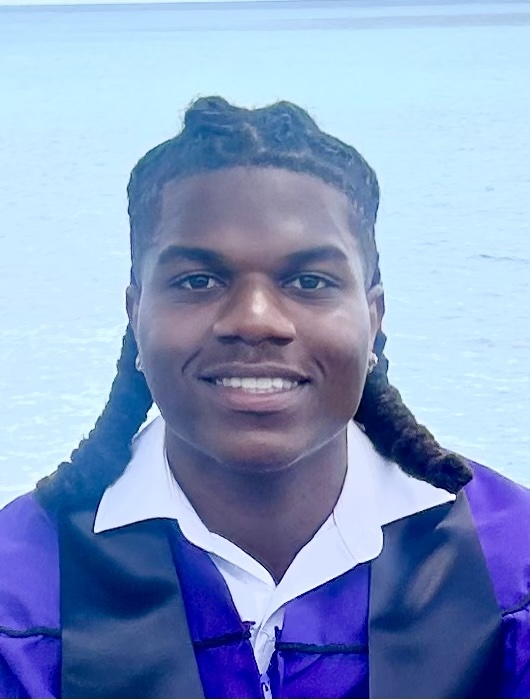
Democrat Ben McAdams and Republican Riley Owen both called for federal AI regulation and stricter data center rules at the first debate for Utah's 1st Congressional District.
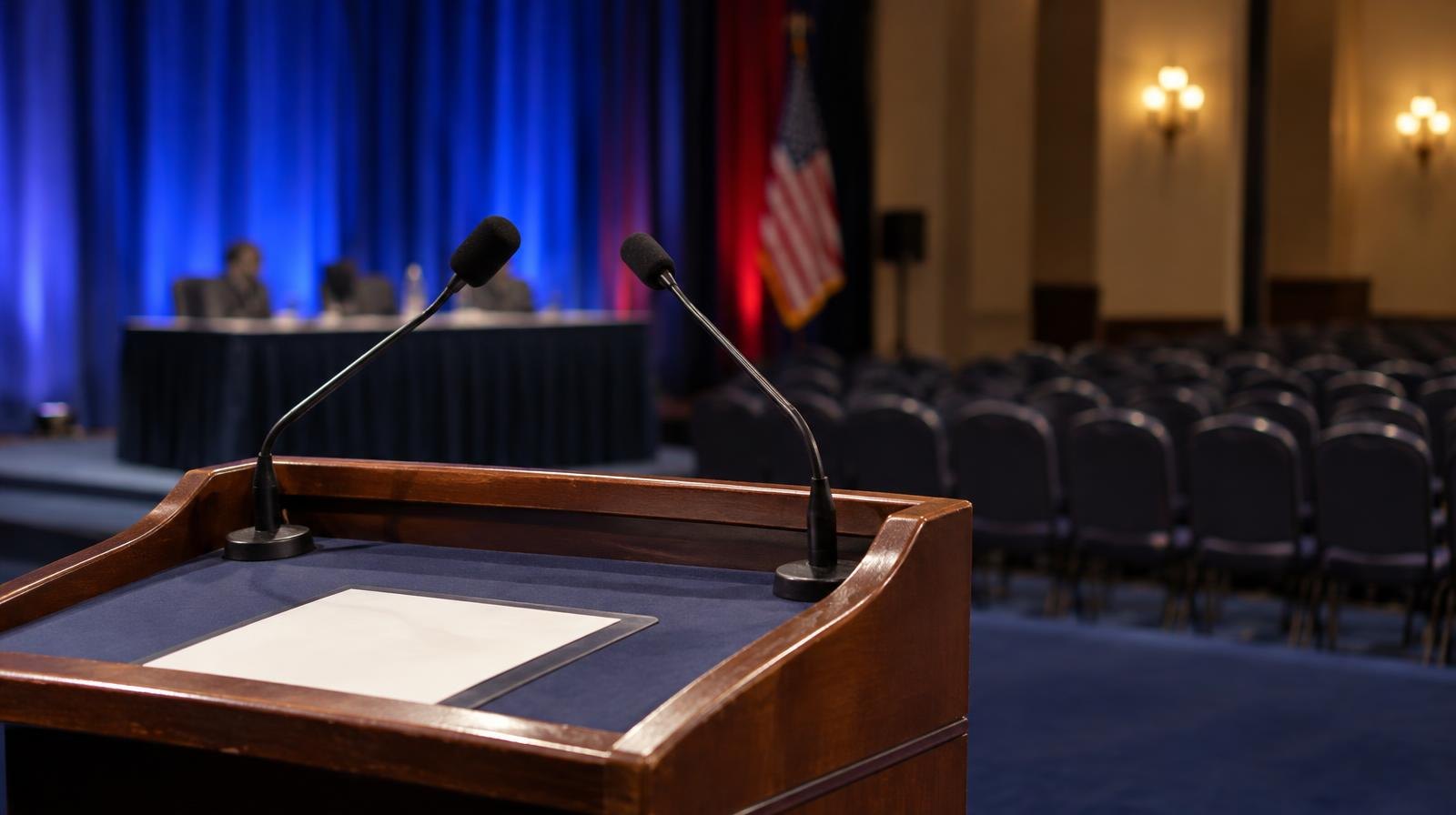
The district includes Draper. The hour-long debate, hosted by the Utah Debate Commission at Salt Lake Community College on Tuesday, Sept. 29, put data center development and the Great Salt Lake at the center of a race that could help determine control of the U.S. House.
Owen, a Navy intelligence officer, named the Stratos Data Center project in Box Elder County directly and urged residents to speak up as data center proposals advance, ABC4 reported. He laid out five conditions for developers, according to the Deseret News: "Pay your taxes, be water positive, be carbon negative, don't ruin the grid, and don't ruin our lands."
McAdams, a former congressman and Salt Lake County mayor, said data center projects will come but should never draw from the Great Salt Lake watershed or rely on government subsidies. He said they must contribute water back to the system.
The Stratos project, backed by investor Kevin O'Leary, has been scaled back from 40,000 acres to 20,000 acres after public backlash. A Deseret News/Hinckley Institute poll conducted Sept. 10–15 found 66% of Utahns opposed the project. The project is paused while a referendum court case plays out, according to the Utah News Dispatch.
Data center accountability is also moving through Congress. The House passed the Ratepayer Protection Act 417–3 on Sept. 16 to shield taxpayers from grid-upgrade costs tied to large data centers. All four Utah House members voted yes. As we reported Sept. 30, the bill stalled in the Senate.
Utah Sen. John Curtis introduced two related bills on Oct. 1. The Data Center Community Empowerment Act would create a Department of Energy program to help local governments evaluate data center impacts. The Data Center Transparency Act would require the EPA and the Energy Information Administration (EIA) to collect data on data centers' water and energy use.
On AI, both candidates agreed the federal government has fallen behind. McAdams said Congress has not done enough to ensure AI's economic disruption benefits all Americans, not just the billionaires who own the products. He called for strong federal guardrails. Owen called AI the single greatest issue facing Americans for decades to come. Getting regulation right is critical, he said.
Owen questioned McAdams' credibility on AI, pointing to a million-dollar expenditure on McAdams' behalf by a pro-AI political action committee funded by OpenAI's co-founder. McAdams said he did not request the money and it would not affect his commitment to constrain the industry.
The two candidates split on the Great Salt Lake. McAdams said the state has not gone far enough and called for hard choices, including acquiring water rights to redirect flow from new growth. Owen said the state is on the right track but called on leaders to modernize water infrastructure, remove invasive plants and lease water rights.
The district was redrawn after a court-ordered redistricting that created boundaries favoring Democrats by 14 percentage points. No additional CD1 debate has been announced.