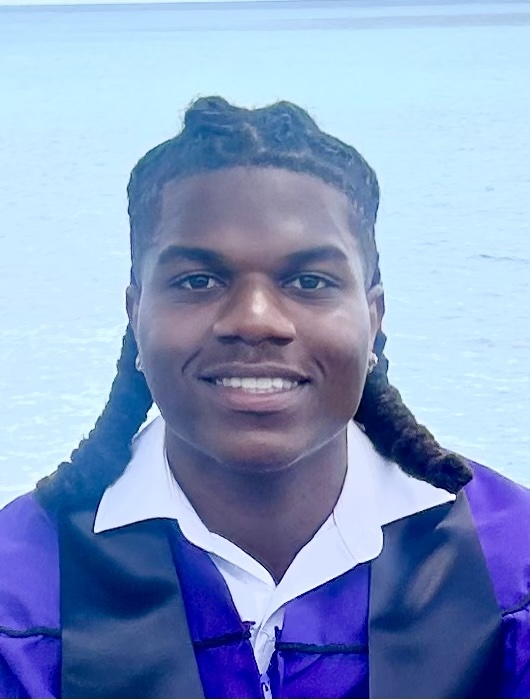
Rep. Mike Kennedy weighed in on data centers, deportations and voter privacy in an interview first reported by the Deseret News on Saturday, Oct. 3. Kennedy's 4th Congressional District includes Draper.
Kennedy made the remarks after hosting his semiannual meeting with Gov. Spencer Cox and Reps. Blake Moore and Celeste Maloy. The group discussed energy policy, water infrastructure, Olympics preparation and transparency around data centers.
Data centers dominated Utah politics in 2026 after a massive proposal sailed through a military economic development board with little public input. A Deseret News/Hinckley Institute of Politics poll in September found 66% of Utahns opposed the proposed Stratos Project in Box Elder County.
Cox said in August that the Military Installation Development Authority (MIDA) had experienced "mission creep" and needed reform, singling out the Point of the Mountain Land Authority as an example. That authority oversees 600 acres at the former Utah State Prison site in Draper.
Kennedy voted yes on the Ratepayer Protection Act, which passed the House 417-3 on Sept. 16. The bill would require state utility regulators to consider rules making data centers cover the cost of electrical grid upgrades for facilities using at least 100 megawatts. A Senate attempt to fast-track the bill failed the next day after Sen. Martin Heinrich, a New Mexico Democrat, objected that it did not go far enough.
On immigration, Kennedy praised Trump for cutting monthly border crossings from a high of 250,000 down to zero. But he said the effects of mass deportation have been mixed. He applauded the expulsion of convicted criminals, which he said accounted for roughly 30% of deportations last year, but said decisions for the remaining immigrants should be made individually.
Kennedy also sided with Lt. Gov. Deidre Henderson, the state's chief election officer, in her legal battle with the U.S. Department of Justice over voter data. The Trump administration sued Utah in February and later opened a personal investigation of Henderson after she refused to hand over voters' Social Security numbers and birth dates.
"I want my voter records kept confidential," Kennedy told the Deseret News.
Henderson said in September, after learning of the DOJ investigation, that neither state nor federal law entitles the Justice Department to collect private information on law-abiding citizens, according to the Utah News Dispatch. The DOJ is suing 30 states and the District of Columbia over similar requests.
Kennedy, who entered office weeks before Trump returned to the White House, is running for reelection. He called Trump's second term "unratable" and said he has no doubt Trump will be remembered as one of the most significant presidents in American history.
Kennedy said the voter-data dispute can play itself out in the courts.




.webp)